
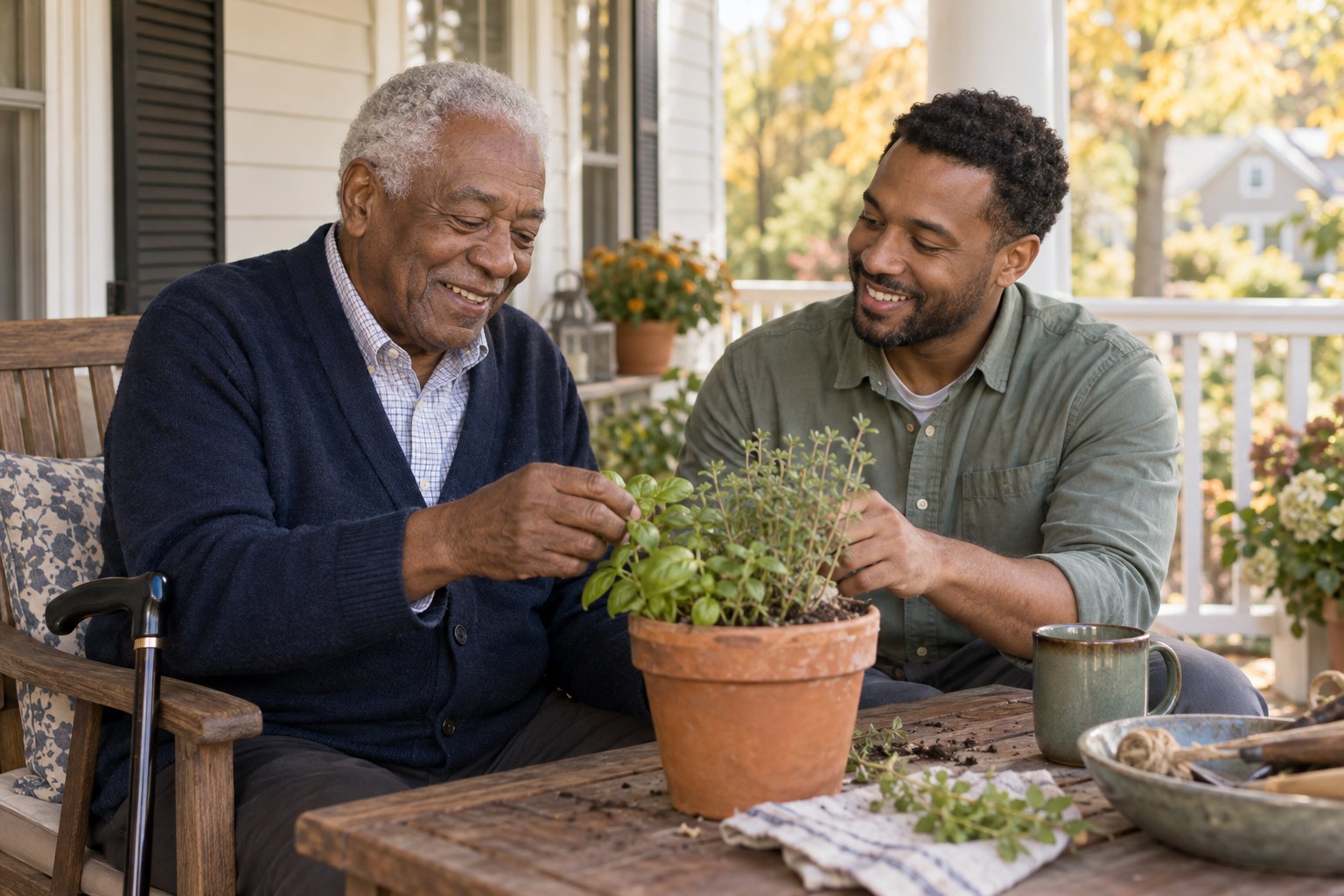
A familiar face.
A steady presence.
Caregiving can be deeply personal. It can also bring questions, new routines, and responsibilities you haven’t faced before.
AFC combines day-to-day support from a qualified live-in caregiver with professional nursing oversight and care management. The care plan provides a shared direction.
An eligible caregiver may be a family member or another qualified person. Program rules apply; spouses and legal guardians are not eligible to be paid AFC caregivers.
Understand the role
Learn about shared-home requirements, daily responsibilities, and how the program evaluates the care arrangement.
Build confidence
Discuss training, documentation, the care plan, and the guidance available through the AFC team.
Talk through the practicalities
Ask about suitability, enrollment, caregiver compensation and what would happen next. Payment and eligibility are not automatic.
Looking for a job with the agency?
A live-in AFC caregiver arrangement is separate from agency employment. For field staff and other employment opportunities, visit our careers page.
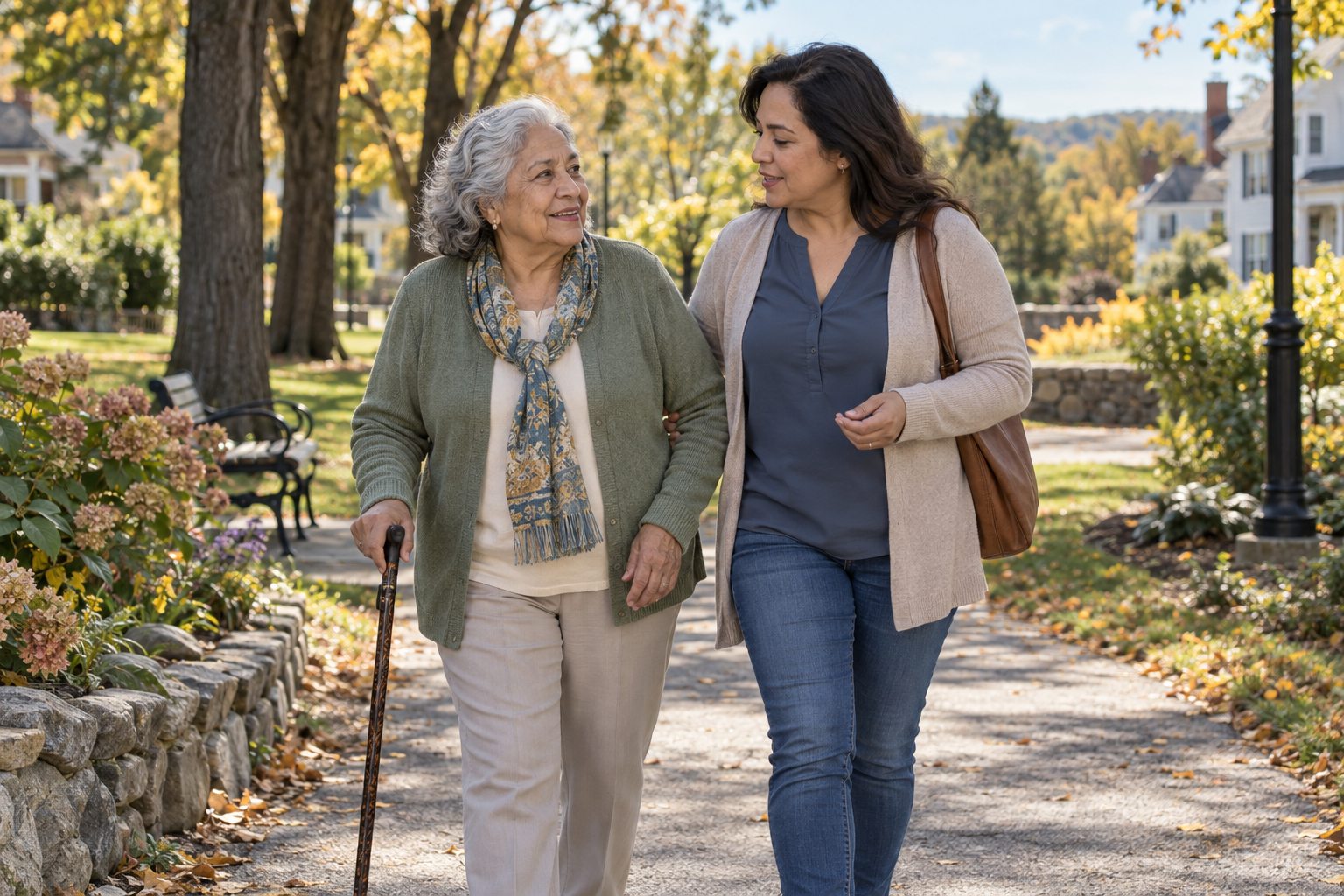
PRACTICAL SUPPORT FOR A PERSONAL ROLE
Care is a relationship.
Knowledge helps it grow.
The AFC caregiver role combines daily assistance with attention to the person’s routines, preferences and changing needs. Caregivers work with the program’s nurse and care manager to understand the care plan.
AFC program training covers practical responsibilities such as providing appropriate assistance, observing and reporting changes, maintaining confidentiality, and knowing what to do in an emergency.
Talk through the caregiver role ↗Understand the person.
Start with their daily routines, how they communicate and where assistance is needed.
Know the care plan.
Understand the agreed support, your responsibilities, and when to contact the professional team.
Keep the conversation going.
Share changes and questions so the plan can be reviewed as needs evolve.